Best AI Sales Assistant for Hotels in 2026
8 features hotel group sales teams should look for in an AI Sales Assistant, then a side-by-side evaluation of 7 tools against those criteria.

Best AI Sales Assistant for Hotels in 2026
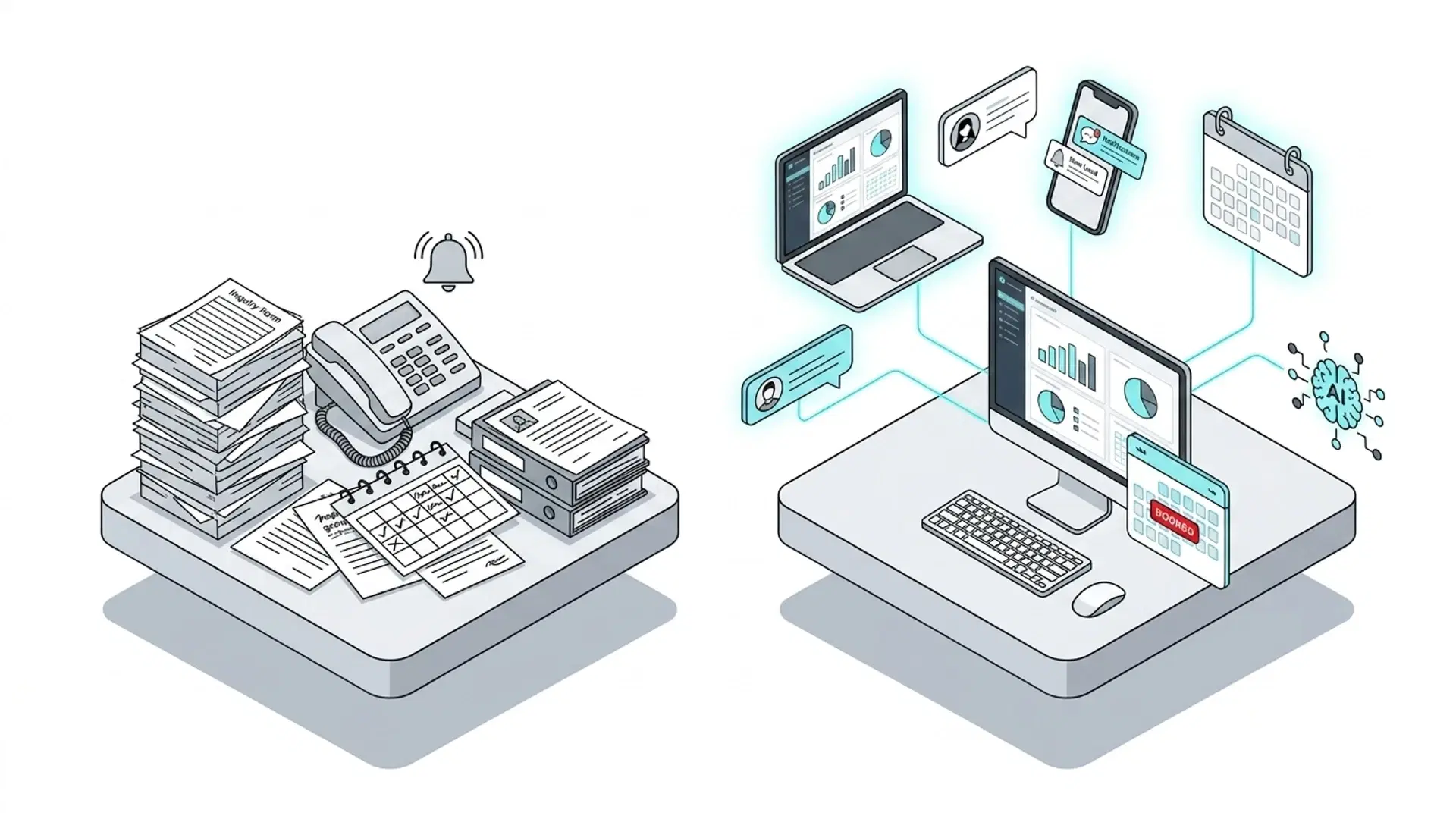
Start with the features your group sales team actually needs. Then evaluate the tools against them. This is the framework hotels use to pick an AI Sales Assistant that fits their RFP volume, room mix, and event variety.
TL;DR
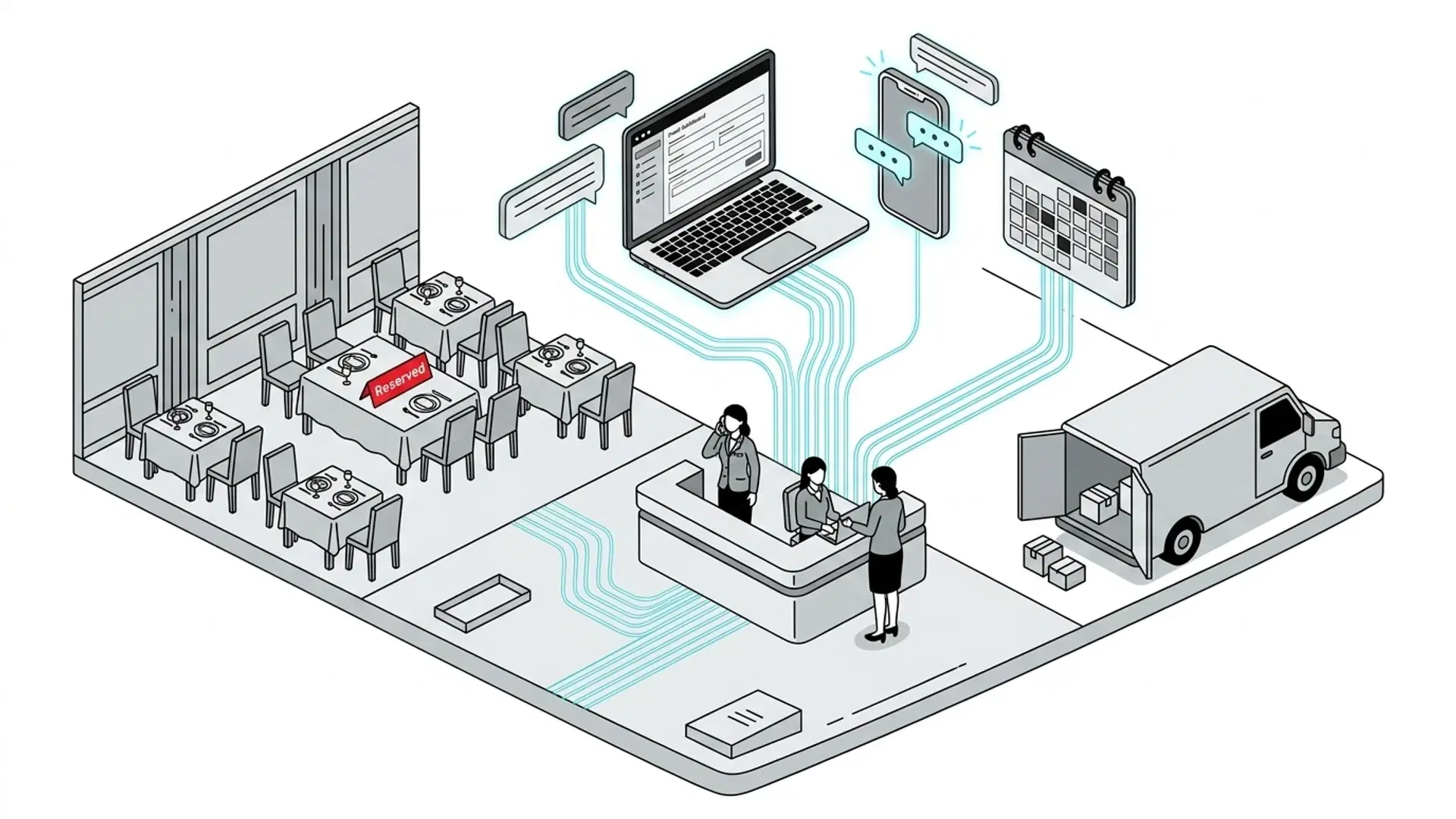
- A hotel group sales operation has 7 or more channels (email, Cvent, phone, website forms, chat, SMS, Instagram and Facebook DMs, WhatsApp), 20 to 50 in-flight RFPs at any time, and multiple event types (weddings, corporate, room blocks, conferences) running side by side. Most tools were not built for this.
- The 8 features that decide whether a tool fits a hotel: multi-event-type config, multi-room awareness, marketplace RFP parsing, multi-calendar conflict checks, document-trained knowledge base, multi-stage follow-up, sales Kanban, and a 24/7 voice agent with smart team handoff.
- Mikla hits all 8. Cvent and Tripleseat are excellent at what they do (RFP sourcing, event management) but are not AI Sales Assistants. Event Temple is hospitality-native but its AI is assist-only. Smith.ai covers phones, not email. DIY ChatGPT breaks on calendar logic and pricing accuracy.
- The right setup for most hotels: keep Cvent for sourcing, keep Tripleseat (or similar) for BEO and event delivery, add Mikla as the AI Sales Assistant that responds to inquiries across every channel and books site visits.
8 features hotel group sales teams should look for
A hotel sales team is not running one product. It is selling weddings, corporate events, board meetings, conferences, room blocks, holiday parties, and rehearsal dinners, sometimes from the same inbox. The AI you put in front of that inbox has to handle all of it without dropping a single RFP.
Here are the 8 features that matter, in order of impact on revenue.
1. Multi-event-type configuration
Run weddings, corporate events, room blocks, and conferences side by side, each with its own qualification questions, knowledge base, signature, follow-up cadence, pricing context, and CTA. Adding a new event type (executive retreats, sports team room blocks, holiday parties) should not require a developer or a deploy.
This is the difference between an AI that sounds like a hotel and an AI that sounds like a generic chatbot. A wedding inquiry should ask about ceremony arch placement and reception flow. A corporate RFP should ask about AV requirements and breakout room needs. Same AI brain, different qualification logic.
2. Multi-room and multi-space awareness
Hotels run ballrooms, junior ballrooms, breakout rooms, boardrooms, restaurants, terraces, pool decks, and meeting rooms. The AI needs to route an inquiry to the right space based on event type AND guest count, and it needs to track per-room availability so it never books a 200-person wedding into a 120-person ballroom.
3. Marketplace and RFP parsing without re-asking
A corporate planner sourcing through Cvent has already entered the dates, guest count, room block size, F&B preferences, and AV needs. If the AI's first message asks for any of that information, the planner moves on. The AI should parse Cvent RFPs, direct email RFPs, and website forms, extract every field, and remember it across channels.
This also matters for repeat corporate clients. The AI should recognize returning customers automatically and detect repeat inquirers without your team having to flag them.
4. Calendar booking with multi-calendar conflict checks
Hotels have catering calendars, sales calendars, event coordinator calendars, and reserved ballroom holds. The AI needs to see all of them before offering a site visit time, and it needs to write to one canonical calendar.
What good looks like: reads multiple Google Calendar or Outlook calendars (main, Calendly, reserved sub-calendars), writes to one, respects business hours, minimum-notice buffers, far-advance rules, and closed days. Books in-person and virtual site visits, generates Google Meet links automatically when needed, and never offers past dates or closed days.
5. Knowledge base trained from your own documents
Hotels have thick catering menus, BEO templates, AV pricing, F&B minimums, package PDFs, and group room rate sheets. The AI has to answer from THOSE documents, not generic hospitality templates.
What good looks like: upload PDFs, Word docs, or Markdown. The AI trains itself in 2 to 5 minutes and emails you when it is ready. Per-event-type KBs (corporate F&B minimums and menus stay separate from wedding pricing). Quick-edit in plain English ("change Saturday F&B minimum to $5,000") with auto-rollback if the change breaks something. Refuses to fabricate pricing, capacity, or policies it does not know.
The "never fabricate" rule is non-negotiable for hotels. A hallucinated F&B minimum or AV quote is a contract problem.
6. Multi-stage follow-up across the full RFP lifecycle
Most hotels send one follow-up. Maybe two. Then the RFP goes cold and the planner books a competitor.
What good looks like: pre-site-visit follow-up sequences that reference the planner's actual conversation and qualification info; post-site-visit recaps built from your own notes (drop in "they loved the ballroom but worried about AV cost" and the AI writes the recap and next-step email in your voice); post-contract-sent nudges with the right cadence and tone to chase signatures. All AI-generated, not robotic templates. Auto-stops the moment the planner replies, books, or opts out. Detects natural opt-outs ("we went another direction"), not just STOP keywords. Respects quiet hours and timezone.
7. Built-in sales Kanban and pipeline
A group sales manager carries 20 to 50 in-flight RFPs at any time. Tracking them in a spreadsheet or email is how deals fall through.
What good looks like: every lead moves through stages (new, qualified, site visit booked, site visit completed, contract sent, signed, lost) inside one workspace. Conversations, qualification answers, calendar bookings, and follow-up history all live on the same lead. Stage-aware tone, so a follow-up chasing a signature reads differently from one chasing a site visit.
The strongest tools now carry the deal through the paperwork too. Once the booking is confirmed, the AI fills your own contract template with the names, dates, and totals, sends it for built-in e-signature, and collects the deposit or payment schedule through Stripe, with reminders that run until it is signed and paid.
8. 24/7 voice agent with smart team handoff
International corporate clients call at all hours. After-hours RFPs come in over email and phone. A voicemail loses the deal.
What good looks like: AI voice agent picks up 24/7 in a natural human voice, qualifies callers, answers questions from your KB, books site visits, and transfers to your DOSM when appropriate, with full transcripts saved. Detects out-of-scope questions and escalates with full context rather than guessing.
Now that we have the 8 features, here is how the actual tools stack up.
The 7 options compared at a glance
| Tool | Multi-event-type | Multi-room | RFP parsing | Multi-calendar | KB from docs | Multi-stage follow-up | Sales Kanban | Voice agent |
|---|---|---|---|---|---|---|---|---|
| Mikla | Yes | Yes | Yes (Cvent + email + forms) | Yes (Google + Outlook) | Yes (no hallucination) | Yes (3 stages) | Yes | Yes (24/7) |
| Cvent | Limited | No | N/A (it is the marketplace) | No | No | Limited | No | No |
| Tripleseat | Yes | Yes | Limited | Limited | Structured fields only | Templated | Yes | No |
| Event Temple | Yes | Yes | Limited | Yes | Light | Light AI assist | Yes | No |
| Smith.ai | Limited | No | No | Yes | Light | Limited | No | Live humans |
| Generic chatbots | No | No | No | No | Partial | No | No | No |
| DIY ChatGPT | Whatever you build | DIY | DIY | DIY | Unreliable | DIY | DIY | DIY |
Tool-by-tool evaluation against the 8 features
1. Mikla: best overall for hotel group sales
Mikla is an AI Sales Assistant built for venues and hospitality. It is the only tool we evaluated that hits all 8 features above out of the box.
For hotels specifically:
- Multi-event-type: Runs weddings, corporate events, room blocks, conferences, and rehearsal dinners side by side with separate KBs, qualification questions, follow-up cadences, and CTAs. Adding a new event type takes a configuration change, not a deploy.
- Multi-room awareness: Routes RFPs to the right ballroom, breakout, or outdoor space based on event type and guest count.
- RFP parsing: Pulls every field from Cvent RFPs, direct email RFPs, website forms, SMS, Instagram and Facebook DMs, and WhatsApp. Never re-asks for info already provided. Recognizes returning corporate clients automatically.
- Multi-calendar: Reads your catering calendar, sales calendar, and reserved ballroom holds. Writes site visits to one canonical calendar. Generates Google Meet links for virtual site visits.
- Knowledge base: Trained from your catering menus, BEO templates, AV pricing, F&B minimums, and package PDFs. Per-event-type KBs so corporate menus stay separate from wedding pricing. Plain-English KB edits with auto-rollback. Refuses to fabricate pricing.
- Follow-up: Three-stage AI-generated sequences (pre-site-visit, post-site-visit, post-contract-sent) on email and SMS. Auto-stops on reply, booking, or opt-out. Respects timezone and quiet hours.
- Sales Kanban: Tracks every RFP through new, qualified, site visit booked, site visit completed, contract sent, signed, lost. One workspace from intake to signed contract.
- Contracts and payments: Once the booking is confirmed, Mikla fills your own contract template with the names, dates, and totals (your wording, never invented), sends it for built-in e-signature, and collects the deposit or payment schedule through Stripe. Signature and balance reminders run until it is signed and paid, then stop.
- Voice agent: Picks up calls 24/7 in a natural human voice. Qualifies, answers from your KB, books site visits, and transfers to your DOSM when appropriate. Full transcripts saved.
Where it falls short:
- Mikla is newer than Cvent and Tripleseat. It does not have 20-year-deep integrations with hotel PMS or POS systems.
- It is not a full event delivery platform. Mikla owns the sale (inquiry to signed contract and paid deposit). You still need a tool for BEO management, event execution, and final billing.
Verdict: If your gap is on the sales side (inquiry response, qualification, site visit booking, follow-up, RFP-to-contract pipeline across every channel), Mikla is the strongest tool in the category.
2. Cvent: best for RFP sourcing intake
Cvent is the dominant RFP marketplace for meetings and events. Most corporate planners source through the Cvent Supplier Network.
What it hits: industry-standard discoverability. Almost every corporate planner has a Cvent account. Your hotel needs to be in it.
What it misses on the 8 features:
- Cvent does not reply to RFPs autonomously. Your team still writes responses.
- Single-channel: only handles Cvent RFPs, not email, phone, website forms, or other marketplaces.
- No voice agent, no SMS, no chat widget.
- No knowledge base trained from your documents.
- Limited or no AI-driven follow-up logic.
Verdict: Cvent is a lead source, not an AI Sales Assistant. Pair it with Mikla so the RFPs that come through Cvent get an instant AI response with a site visit offer.
3. Tripleseat: best for catering and events CRM
Tripleseat is a category leader in catering and event management for restaurants, venues, and hotels. Strong for BEO management and event delivery.
What it hits: multi-event-type and multi-room data model. Pipeline view. BEO management. F&B planning.
What it misses on the 8 features:
- Not an AI that replies to inquiries on your behalf. The CRM tracks deals; your team still writes the replies.
- No voice agent.
- Marketplace RFP parsing is limited and integration-dependent.
- Knowledge base is structured fields, not document-trained AI. Answers depend on what your team has typed into the right fields.
- Follow-up is templated rather than contextually AI-generated.
Verdict: Solid event delivery platform. Use it for BEOs and event execution; pair with an AI Sales Assistant for the pre-booking inquiry-response work.
4. Event Temple: best hospitality CRM with AI assist
Event Temple is a hospitality-native sales CRM that has been adding AI features over the last 18 months. Designed for hotels, resorts, and event venues.
What it hits: hospitality-specific data model. Multi-property support. Multi-event-type and multi-room aware. Pipeline management with stage-aware workflows. Some AI-assisted reply drafting.
What it misses on the 8 features:
- AI is assist-only. It drafts replies for your team to review and send, rather than responding autonomously.
- No 24/7 voice agent.
- Multi-channel coverage (Cvent, marketplaces, website chat, SMS, social) depends on integrations and is not built-in across the board.
- Knowledge base from documents is light.
Verdict: A good hospitality-native CRM with helpful AI drafting. If you want autonomous multi-channel response and voice coverage, you need an AI Sales Assistant on top.
5. Smith.ai: best for live human phone coverage
Smith.ai is a virtual receptionist service backed by real human agents (with AI augmentation). They answer your phone and forward qualified leads to your sales team.
What it hits: real humans on calls, helpful for hotels that prefer human warmth on first contact. Calendar-aware booking on higher tiers.
What it misses on the 8 features:
- Pricing scales with call volume. Expensive at hotel call volumes.
- Does not handle email RFPs the way an AI Sales Assistant does. Hotel group sales lives mostly in email.
- No marketplace or Cvent RFP parsing.
- Knowledge base depends on what their human agents have been trained on, which has limits compared to a document-trained AI.
- Limited multi-stage follow-up. No built-in sales pipeline.
Verdict: A strong call-answering supplement at low volumes. Not a replacement for the email and RFP side of hotel group sales.
6. Generic AI chatbots (Intercom Fin, Drift, Tidio)
Generic AI chatbots sit on your website chat widget and answer visitor questions from a KB.
What they hit: SaaS support, software product FAQ deflection.
What they miss for hotels: single-channel (chat only). No multi-event-type config. No multi-room routing. No Cvent parsing. No voice. No follow-up sequences. No sales pipeline. Often hallucinate pricing if you upload a complex catering menu PDF.
Verdict: Wrong tool for hotel group sales. A hotel that drops one of these on its website is solving a different problem than the one it has.
7. Building your own with ChatGPT or Claude
Some hotel IT teams try to build an AI Sales Assistant by piping email and Cvent webhooks into an LLM API.
What it hits: full control over prompts. Low raw API cost.
What it misses for hotels:
- Multi-event-type, multi-room, multi-calendar logic is hard to build correctly. Bugs cost you booked site visits.
- KB accuracy is unreliable. A naive RAG over your catering menu will quote the wrong F&B minimum on the wrong night.
- Voice, SMS, Cvent, marketplaces, website chat each need their own integration. Building all of them is a 6 to 12 month engineering project, plus ongoing maintenance.
- No team workflow, no pipeline, no escalation logic, no test mode.
Verdict: Tempting if you have a strong tech team and only need one channel. For a real hotel group sales operation with 5 to 7 channels and 20 to 50 in-flight RFPs, DIY breaks at scale and the dropped deals cost more than the engineering.
How to choose: a decision framework
- Choose Mikla if your gap is on the sales side: inquiry response, qualification, site visit booking, follow-up, contracts and deposits, and the RFP-to-contract pipeline across every channel including voice.
- Keep Cvent for being discoverable in the corporate planner network. Add Mikla to respond to those RFPs autonomously.
- Keep Tripleseat (or similar) for BEO management and event delivery. Mikla owns the sale; Tripleseat owns the operations.
- Try Event Temple if you want a single hospitality CRM with AI-assisted drafting and you do not need autonomous response or a voice agent.
- Use Smith.ai for live human phone coverage at low call volumes when the warmth matters more than scale.
- Skip generic chatbots and DIY ChatGPT for hotel group sales. They were not built for the workflow.
What setup looks like for a hotel
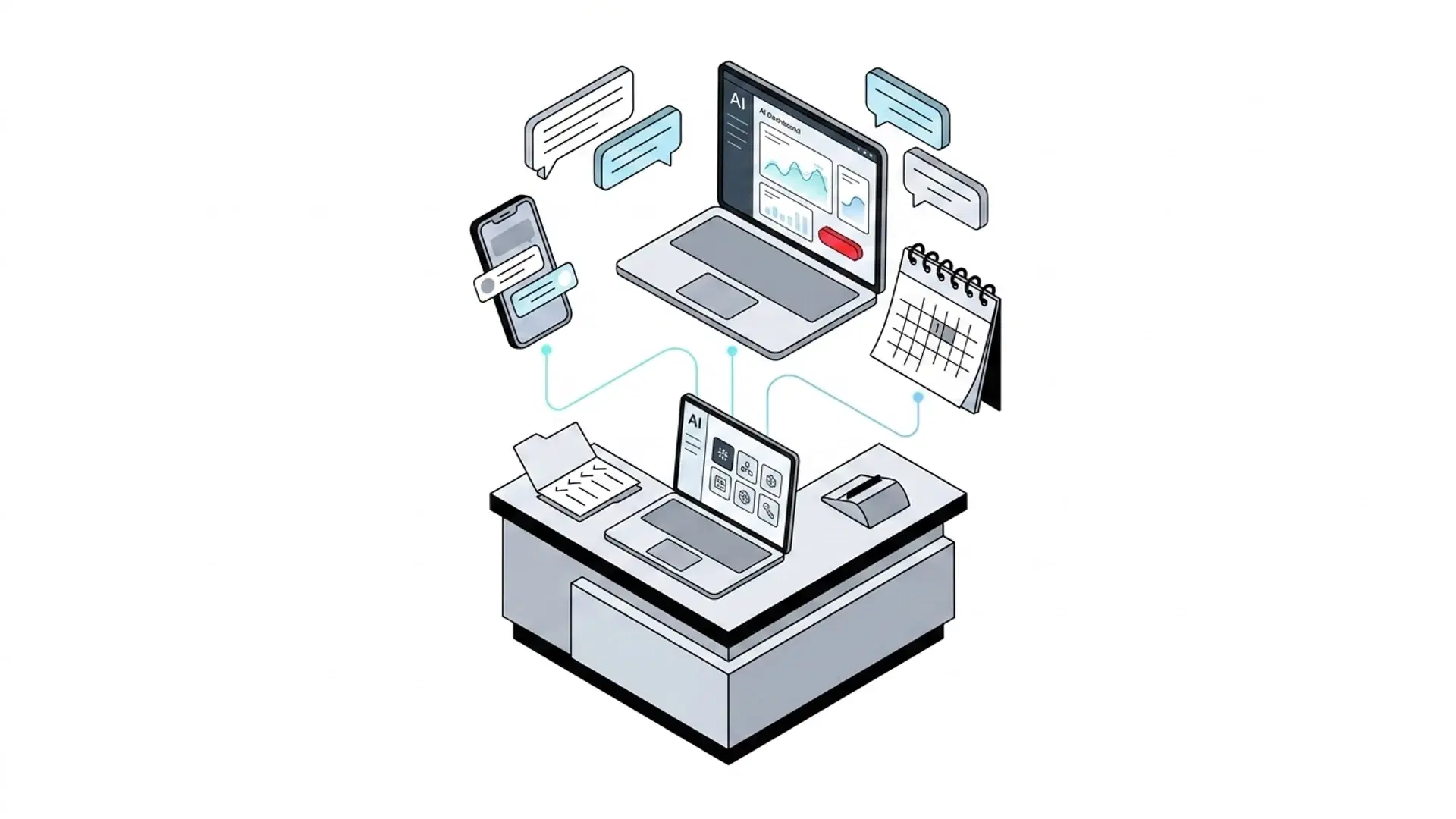
Most hotels assume an AI Sales Assistant is a multi-month implementation. With Mikla it is closer to an hour, broken into 5 steps:
- Connect your inboxes. One-click OAuth for Gmail or Outlook. Add as many inboxes as you need (events@, weddings@, corporate@, sales@). Mikla replies from whichever inbox the planner originally wrote to.
- Connect your calendars. Pull in Google Calendar or Office 365 calendars, including catering holds, reserved ballroom blocks, and any Calendly sub-calendars you want Mikla to check before offering site visit times.
- Upload your documents. Catering menus, AV pricing, package PDFs, F&B minimums, BEO templates, and group rate sheets. The AI trains itself in 2 to 5 minutes and emails you when it is ready.
- Configure per-event-type. Set qualification questions, signatures, follow-up cadences, CTAs, and quiet hours for weddings, corporate events, room blocks, conferences, and any other event types you run. Each event type is configured independently with smart inheritance so you only configure what is actually different.
- Run test mode. Preview exactly what the AI would send to incoming RFPs, edit, and approve before going live with real planners.
Most hotels are doing real work on the same day they set up.
FAQ
What is an AI Sales Assistant for a hotel?
An AI Sales Assistant for a hotel is software that handles the inbound group sales workflow automatically by capturing inquiries from every channel (email, phone, Cvent, website forms, chat, SMS), qualifying corporate planners and event hosts, answering their questions from your hotel's own documents, booking site visits on your sales calendar, and following up across the full RFP lifecycle until the contract is signed and the deposit is paid. Some vendors call this an AI receptionist or AI lead response tool. They refer to the same category.
How is this different from Cvent or Tripleseat?
Cvent is an RFP marketplace and Tripleseat is an event management CRM. Both are excellent at what they do, but neither replies to inquiries autonomously. They give your sales team places to track and manage deals; an AI Sales Assistant actually responds to the planner, qualifies them, and books the site visit. Most hotels use all three: Cvent for sourcing, Mikla for AI response and pipeline through contract, and Tripleseat for BEOs and delivery.
Can the AI handle Cvent RFPs?
Yes. Mikla parses Cvent RFPs and extracts the planner's dates, guest count, room block size, F&B requirements, AV needs, and budget without re-asking for any of it. The first reply offers a site visit slot, answers the most common questions from your catering menu and AV pricing, and starts a follow-up sequence if the planner does not respond.
How long does setup take for a hotel?
About an hour from OAuth to live. Connect your inboxes, connect your calendars, upload your catering menus and package PDFs, configure your event types, run test mode. Most hotels are sending real AI replies on the same day they set up. Mikla's team handles the configuration with you so you do not need a developer or a months-long IT project.
What is the best answering service for a hotel?
For the front desk, the answer is usually your PBX and your own staff, since guest-service calls belong with the people who can actually fix a room. The question matters more for the sales office, where a planner calling about a 60-room block on a Saturday afternoon reaches a voicemail box that nobody clears until Monday. A traditional answering service will take that planner's message; it cannot answer what your ballroom holds, check whether your catering calendar is open, or book the site visit. An AI answering service can. Mikla answers the sales line 24/7 in a natural voice, qualifies the planner on event type, dates, guest count, and room-night needs, answers from your own capacity charts and banquet menus, and books the site visit on your calendar, then hands the call to your team with a full transcript when it should be a human conversation. Our guide to the best AI receptionists for venues and hospitality compares the options in the category.
Does an AI answering service replace our group sales team?
No, and a hotel that buys one expecting that will be disappointed. The AI covers the hours and the volume your team cannot: nights, weekends, simultaneous calls, and the first reply to every inbound RFP while your sellers are in site visits. What it hands them is a qualified planner with dates, guest count, and budget already captured and a site visit already on the calendar. The negotiation, the relationship, and the close stay with your people. The measurable change is that no lead sits unanswered long enough to go to the property that replied first.
Ready to see how Mikla handles your hotel's RFPs?
Book a 15-minute demo and we will connect Mikla to a test inbox of yours, upload your catering menu, and show you the AI replying to a sample Cvent RFP in real time. No commitment, no card required.
Never miss another lead with Mikla's 24/7 AI sales agent.